 PI: Ana Hilário is a deep-sea ecologist with expertise on reproductive ecology and population connectivity and its implications for biogeography and conservation. Ana has a vast experience on sampling and experimentation using manned and un-manned submersibles as well as traditional sampling gear in multiple deep-sea habitas, such as hydrothermal vents, cold seeps, canyons and abyssal plains. She participates in several national and international projects and networks .
Isabel Henriques is a microbiologist with expertise in environmental microbiology and microbial ecology. Among other research interests, her team is devoted to the study of complex microbial communities inhabiting natural ecosystems. They apply classic microbiology techniques and advanced molecular tools to unravel the structure and function of microbial communities in soil, rivers and the ocean, as also of the microbiome associated to animals and plants.
 Clara F. Rodrigues is a deep-sea ecologist specialised in food-web dynamics and microbe metazoan interactions. Clara is interested in how cross-domain interactions impact ecosystem function in marine communities and her work focus on microbial ecology, intracellular symbioses and trophic relationships. For her research Clara applies multi-disciplinary approaches, combing classical taxonomical, genetic methods and isotopic analyses.
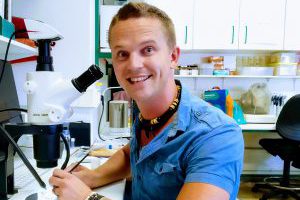
Sven Laming is a deep-sea ecologist who specialises in the life-cycle ecology of benthic, symbiotic marine metazoa – particularly during post-settlement host ontogeny but also as reproductive adults – collected from habitats located at depths ranging from 500 m to 3000 m. Within the REDEEM project Sven will examine the possible impacts that mining will have upon epibenthic macrofaunal species, inferred from metrics for developmental and reproductive state.
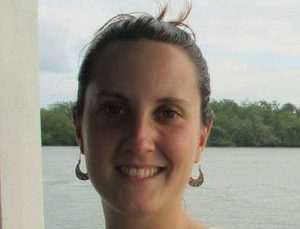 Elena Quintanilla Alcaide is marine biologist with expertise in coral molecular ecology, focused on microbiome dynamics under environmental conditions and under human-related disturbances. Within REDEEM Elena will use high-throughput 16S rRNA gene next-generation sequencing and trascriptomics to describe 1) taxonomically or functionally conserved bacterial associates of corals and 2) shifts in microbial community composition and function in response to increased sediment load.